 GLASTONBURY
 Modern oaks will be ancient for future generations Nathan Pritchard
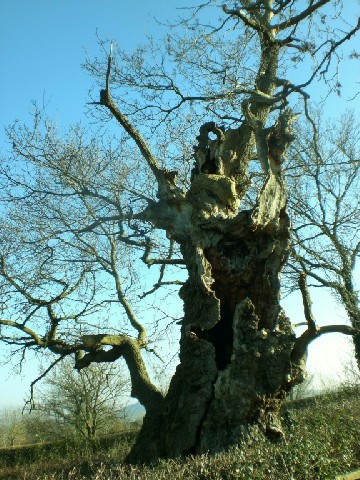
The oak is one of Britain’s most loved and revered trees, beautiful to behold and supporting a great variety of wildlife. Sacred oaks have always had a place in Glastonbury’s long history.
Most of us have visited the ancient oaks at the foot of Stonedown hill, known as Gog and Magog. One of them, sad to say, is dead, but its companion still sends forth new growth each year.
There has been much speculation over the years about how old they might be. What we do know is that they are the only survivors of an ancient grove and avenue that once stood in this area. The rest were cut down in 1906 to make way for farmland — there was no protection for ancient oaks back then.
But there is hope. Since its inception, Glastonbury Conservation Society has planted nearly 50,000 trees, including many oaks, in Glastonbury and the surrounding area. Oak rows, avenues and single plantings are enhancing our environment. Have you noticed them?
They are maturing well and will be much loved by the generations to come, who, we hope, will plant their own.
Footpaths – Kevin Mitchell, Nathan Pritchard, John Brunsdon and the society’s newly acquired strimmer have been out since early spring, keeping footpaths clear of overgrowth. Despite months of tiresome weather, the country paths around Glastonbury were well used, judging by footprints in the mud.
